Installing a fence is one of the most practical improvements a Florida homeowner can make. Whether you’re looking to increase privacy, improve security, keep pets safe, or enhance your property’s curb appeal, a new fence can provide long-term value. However, before you begin digging post holes or scheduling installation, it’s important to understand your local permitting requirements.
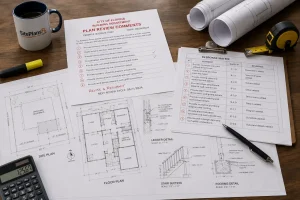
In many Florida cities and counties, fence construction requires approval from the local building department. A permit helps ensure the fence complies with zoning regulations, height restrictions, setback requirements, and neighborhood safety standards. One of the most important documents you’ll need during the application process is a detailed site plan that clearly shows where the proposed fence will be installed.
This guide explains everything homeowners need to know about obtaining a fence permit Florida, including permit requirements, site plan expectations, common reasons for permit delays, and how professional site plans can help streamline the approval process.
Do You Need a Fence Permit in Florida?
The answer depends on where your property is located and the type of fence you plan to build. While Florida follows statewide building codes, each city and county establishes its own zoning regulations and permitting requirements. As a result, a fence permit Florida homeowners need may be required in one municipality but not in another.
In general, permits are commonly required when you’re installing a new fence, replacing an existing fence with a different design or height, or building a fence around a swimming pool. Some jurisdictions may also require permits for masonry walls, vinyl privacy fences, aluminum fencing, or wood fences that exceed certain height limits.
Obtaining the proper permit protects both homeowners and neighboring properties by ensuring the fence is installed in a safe and legally compliant location.If you’re unsure whether your city requires a permit, try our Florida Permit Requirements Checker to quickly review local permit requirements before starting your project.
Why Fence Permits Are Important
Fence permits are about much more than paperwork. Local officials review your plans to verify that the proposed fence does not create visibility hazards, interfere with utility easements, block drainage paths, or violate local zoning ordinances.
The review process also helps ensure that fences meet height limitations for front, side, and rear yards. These regulations are designed to maintain neighborhood appearance, preserve traffic visibility at intersections, and protect underground utility infrastructure.
Constructing a fence without the required fence permit Florida property owners must obtain can lead to stop-work orders, fines, mandatory modifications, or even removal of the completed fence. In addition, unpermitted improvements can create complications during future property sales or refinancing.
What Is a Fence Permit Site Plan?
Although requirements vary slightly by municipality, most Florida building departments expect a fence permit Florida site plan to contain several key details.
Rather than simply outlining the fence line, the site plan provides a complete view of the property. It identifies property boundaries, existing buildings, driveways, sidewalks, easements, and other permanent features that may affect fence placement.
An accurate site plan helps building departments review applications more efficiently and reduces the likelihood of correction requests.If you’re unfamiliar with permit drawings, learn what a site plan in Florida is and why it’s required for many residential construction projects.
What Should a Fence Permit Site Plan Include?
Although requirements vary slightly by municipality, most Florida building departments expect a fence permit site plan to contain several key details.
Property Boundaries
Every site plan should accurately identify all property lines using measurements from a recent property survey. These boundaries allow reviewers to confirm that the fence will be installed entirely within the property owner’s land. Need help getting started? Here’s how to get a site plan for a Florida permit using your property survey and permit requirements.
Existing Structures
The drawing should include the house, garage, driveway, patios, pools, sheds, and any other permanent structures already located on the property. These features help reviewers understand how the proposed fence fits within the existing site layout.
Proposed Fence Layout
The proposed fence should be drawn to scale and clearly indicate where it will be installed. The plan should also identify fence lengths, gate locations, and the distance between the fence and nearby structures or property lines where required.
Fence Height
Many Florida municipalities regulate fence height differently depending on whether the fence is located in the front yard, side yard, or backyard. Including the proposed fence height on your fence permit Florida site plan helps reviewers determine whether the project complies with local zoning requirements.
Utility Easements
Utility easements should always be identified before construction begins. Installing a fence within certain easements may require approval from the utility company or may not be allowed at all. Identifying these areas early helps prevent delays during permit review. If your property contains drainage swales or stormwater features, a Florida grading and drainage plan may also be required during the review process.
North Arrow and Scale
A professional fence permit Florida site plan should include a north arrow and be prepared using an accepted engineering scale. These details make it easier for permit reviewers to interpret the drawing accurately.
Understanding Florida Fence Height Regulations
One of the most common issues during fence permit Florida reviews involves fence height. While regulations differ by city and county, front yard fences are generally subject to lower height limits than fences located in side or rear yards.
Corner lots often have additional restrictions because fences cannot obstruct drivers’ visibility at intersections. Building departments carefully review these locations to ensure the fence will not create traffic safety hazards.
Since height regulations vary across Florida, homeowners should always verify local zoning requirements before selecting a fence design.
Fence Setback Requirements
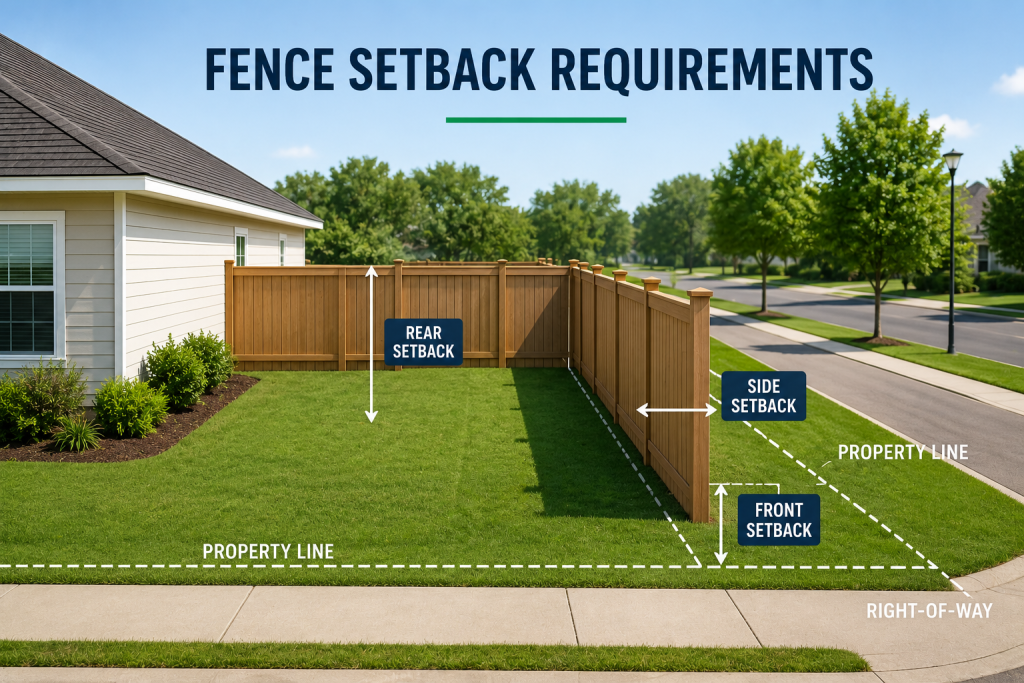
Fence setbacks determine where a fence may legally be installed on a property. In many cases, fences can be built along property lines, but there are exceptions involving easements, drainage areas, sidewalks, or public rights-of-way.
Improper fence placement is one of the most common reasons fence permit Florida applications require revisions. A professionally prepared site plan helps identify these restrictions before construction begins, reducing the risk of costly mistakes. For a more detailed explanation of setbacks, zoning rules, and permit drawings, read our complete Florida site plan requirements guide.
Documents Commonly Required for a Fence Permit
While requirements vary by jurisdiction, most fence permit Florida applications require more than just a site plan. Building departments often ask homeowners to provide supporting documentation that helps verify ownership and project details.
Typical application packages may include:
- A current property survey
- Fence specifications or manufacturer information
- Completed permit application forms
- Site plan showing the proposed fence location
- HOA approval, if applicable
Submitting complete documentation at the beginning of the process can significantly reduce review times.
Common Reasons Fence Permit Applications Are Delayed
Many permit delays are caused by incomplete or inaccurate applications rather than the fence project itself. One of the most common issues is submitting a site plan that does not accurately identify property boundaries or existing structures.
Applications are also delayed when fence heights are not labeled, utility easements are omitted, or the proposed fence extends into restricted areas. In some cases, homeowners submit outdated property surveys that no longer reflect the current condition of the property.
Reviewing your fence permit Florida application carefully before submission can help avoid unnecessary corrections and speed up the approval process. If your application has already received correction comments, our guide to Florida permit rejected site plans explains the most common reasons permits are delayed or denied.
Can You Prepare Your Own Fence Permit Site Plan?
Some municipalities allow homeowners to prepare their own site plans, provided they include all required information and accurately represent the property. However, creating a permit-ready drawing requires more than a simple sketch.
Your fence permit Florida site plan should be drawn to scale, include accurate measurements, identify all permanent structures, and clearly show the proposed fence location. Missing details or inaccurate measurements often result in correction requests that extend the permit timeline.
Many homeowners mistakenly believe a property survey is the same as a permit drawing. Learn the difference between a site plan vs survey in Florida before submitting your application. For homeowners unfamiliar with permit requirements, working with a professional site plan provider is often the fastest and most reliable option.
How PermitSitePlan Helps with Fence Permits
Preparing permit documents can be confusing, especially if you’re unfamiliar with local zoning requirements. At PermitSitePlan, we create accurate, permit-ready fence permit Florida site plans designed specifically for residential fence permit applications throughout Florida. Our professionally prepared residential site plans are designed to satisfy local building department requirements while reducing permit revisions.
Our drawings clearly illustrate property boundaries, existing structures, proposed fence locations, setbacks, easements, and other details commonly requested by local building departments. By providing complete and professionally prepared site plans, we help homeowners submit stronger permit applications while reducing the likelihood of revisions.
Whether you’re installing a privacy fence, decorative fence, aluminum fence, or pool enclosure, our team can help simplify the permitting process.
Tips for Getting Your Fence Permit Approved Faster
A successful permit application begins with careful planning. Before submitting your documents, verify your local fence regulations, use an up-to-date property survey, and confirm that your proposed fence does not interfere with easements or public rights-of-way.
Take time to review your fence permit Florida site plan and ensure that all fence dimensions, heights, gates, and property features are clearly labeled. Submitting complete documentation from the beginning often results in a faster and smoother review process.
Why Choose Us
We have prepared certified and non-certified fence permit Florida site plans across the state’s permitting landscape long enough to know exactly which counties enforce which rules, and we build that knowledge into every plan we deliver.
- Florida-licensed Professional Engineers available for every PE-stamped order.
- Plans drafted from current parcel, GIS, and zoning data—not outdated records.
- Clear guidance on which fence permit Florida solution your specific project actually needs.
- Fast turnaround without cutting corners on accuracy.
- Direct support if your building department requests revisions.
Conclusion
Understanding fence permit Florida requirements before starting your project can save you time, money, and unnecessary frustration. An accurate site plan, proper documentation, and compliance with local zoning regulations are essential for obtaining permit approval without delays. Need a permit-ready drawing? Our Florida fence permit site plan service provides accurate, professionally prepared plans for homeowners across Florida.
If you’re planning to install a new fence, PermitSitePlan can help by providing professionally prepared, permit-ready site plans tailored to your property. With accurate drawings and clear documentation, you can submit your application with confidence and move your fencing project forward more efficiently.
Get a Site Plan That Meets Florida Requirements
We prepare site plans for all 67 Florida counties. Every plan includes all required elements, properly formatted for your specific building department.
Standard residential: $79 delivered in 12–24 hours.
Frequently Asked Questions
Do I always need a fence permit in Florida?
Not always. Permit requirements vary by city and county. Some small residential fences may not require permits, while others do depending on the height, location, and fence type.
What documents are required for a fence permit?
Most applications require a site plan, property survey, permit application, and fence specifications. Some neighborhoods may also require HOA approval.
Can I build my fence on the property line?
Many municipalities allow fences on property lines, but easements and local zoning rules may affect placement. Always verify requirements before construction.
Does a replacement fence require a permit?
In many areas, replacing an existing fence with a different height, material, or design requires a new permit. Check with your local building department for specific regulations.
How long does fence permit approval take?
Approval times vary by municipality and the completeness of your application. Accurate site plans and complete documentation generally help speed up the process.