I get asked this question constantly: “What exactly needs to be on a Florida site plan?”
The answer is slightly different for each county. But there’s a core list that applies everywhere and additional Florida site plan requirements that vary by project type. Here’s the complete breakdown.
Florida Site Plan Requirements: The Universal Core Requirements
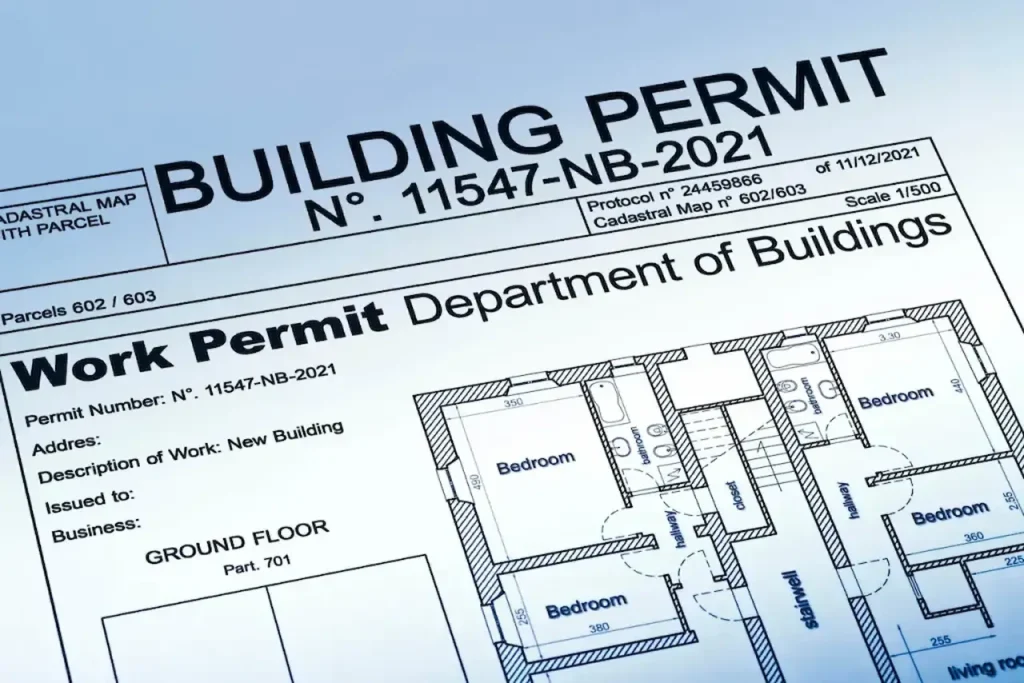
Every Florida building department, regardless of county, expects these elements on a residential permit site plan:
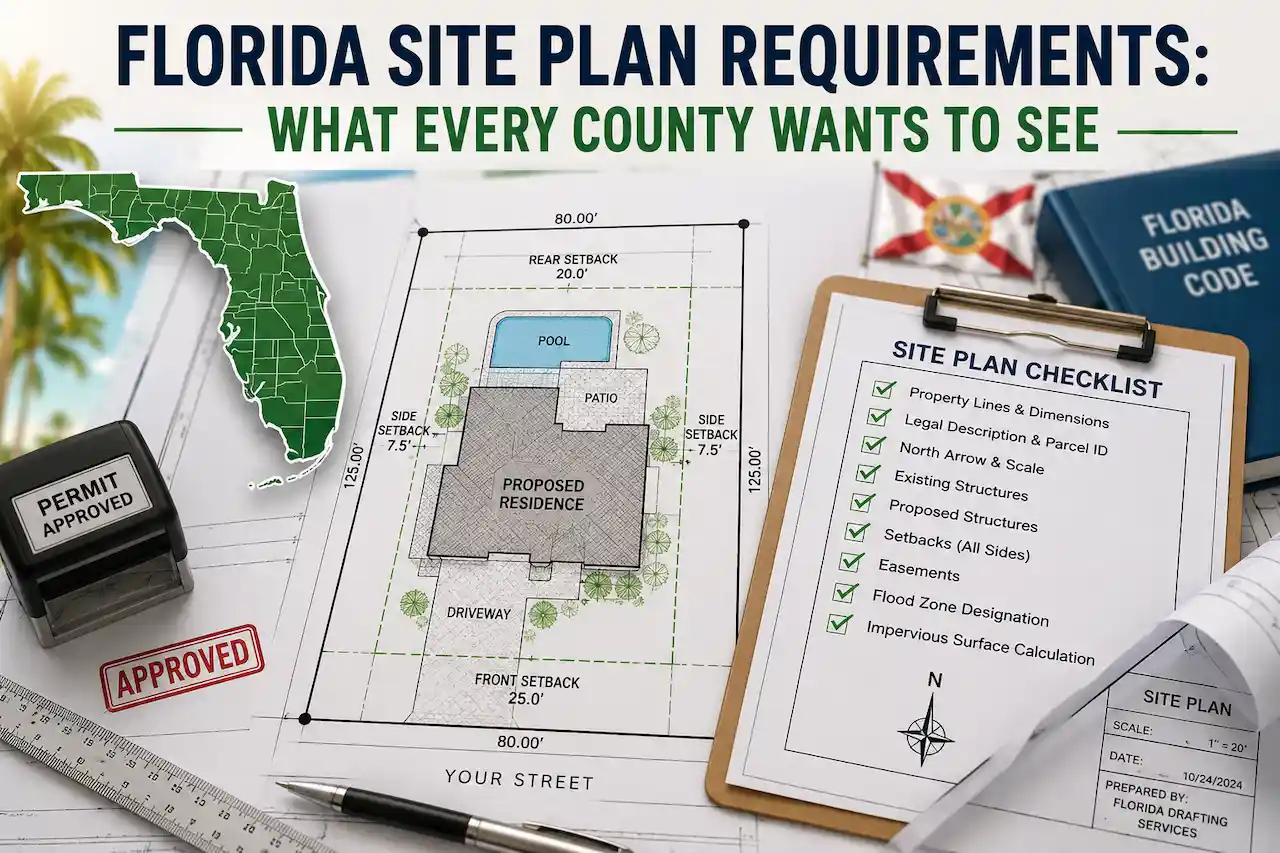
Property boundaries with dimensions: Your lot’s four sides (or more if it’s irregular) with the exact dimensions in feet. These come from the county parcel records or your survey.
Legal description and parcel ID: The legal description (from your deed) and parcel identification number. The parcel ID is your property’s unique identifier in the county’s system.
Street address and street name seem obvious. But I’ve seen plans submitted with the wrong address. Always verify against the county property appraiser website. Following Florida Site Plan Requirements correctly ensures the address and parcel data match county records.
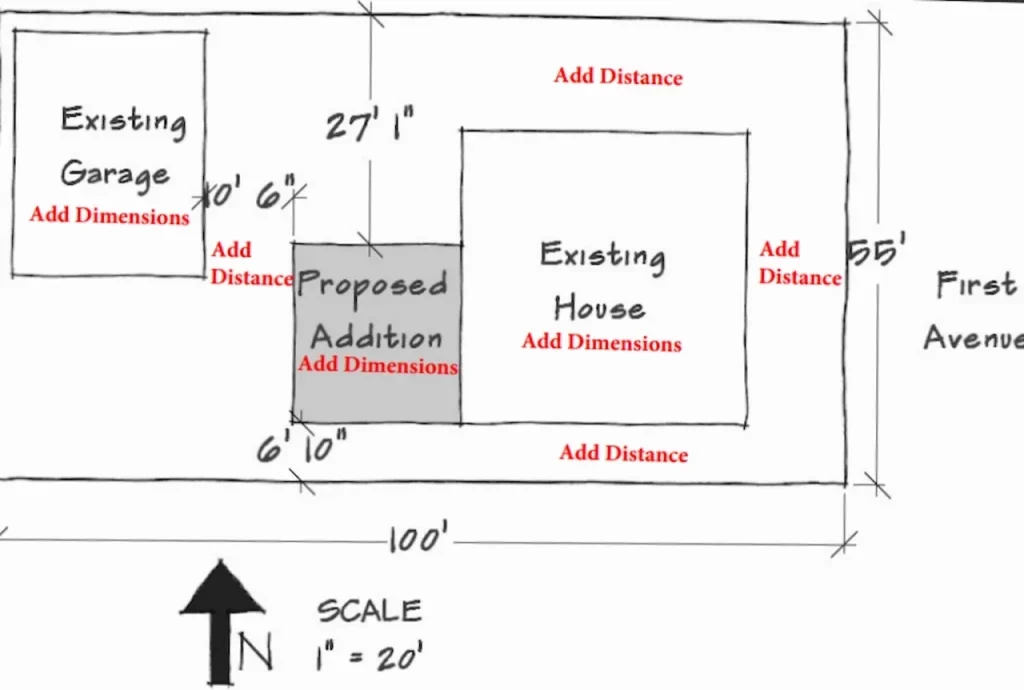
North arrow Always required. No exceptions anywhere in Florida. The North arrow is a mandatory element in all Florida Site Plan Requirements submissions.
Scale: The plan must be drawn to a specific scale, and that scale must be labeled. A graphic scale bar (a bar showing the physical measurement representation) is best practice and required by many countries. “Not to scale” is not acceptable.
All existing structures with dimensions. Everything currently on the lot: the house, any detached garage, sheds, existing pools, existing patios, etc. Each must be dimensioned and labeled.
Proposed structure with dimensions: What you want to build, clearly distinguished from existing structures (usually shown with dashed lines, different line weight, or clearly labeled “proposed”). Dimensions of the proposed structure must be shown.
All setbacks are labeled. The distances from each property line to the proposed structure, clearly labeled in feet. This is the element that building departments look at first.
Easements: Any utility, drainage, or access easements must be shown on the plan. You cannot build in an easement area. Easement mapping is a key part of Florida Site Plan Requirements for permit approval.
Florida Site Plan Requirements by Project Type
Beyond the core list, your specific project type triggers additional requirements:
For pools:
- Pool dimensions (length × width)
- Equipment pad location
- Barrier fence shown with gate locations
- Impervious surface calculation (existing + proposed deck)
- Drainage notation (direction of flow away from pool)
Most counties strictly enforce this under Florida Site Plan Requirements during plan review.
For decks and patios:
- Deck dimensions
- Height of deck if raised
- Attachment method to the house
- Contribution to impervious surface calculation
For sheds and accessory structures:
- Shed dimensions
- Distance to principal structure
- Distance to all property lines
- Foundation type (often required to be noted)
For fences:
- Fence line shown relative to property lines
- Height
- Material (sometimes required)
- Gate locations
For additions:
- Additional dimensions and square footage
- Setbacks from all property lines
- Any changes to existing drainage or impervious surface
What Trips People Up Most: The Flood Zone
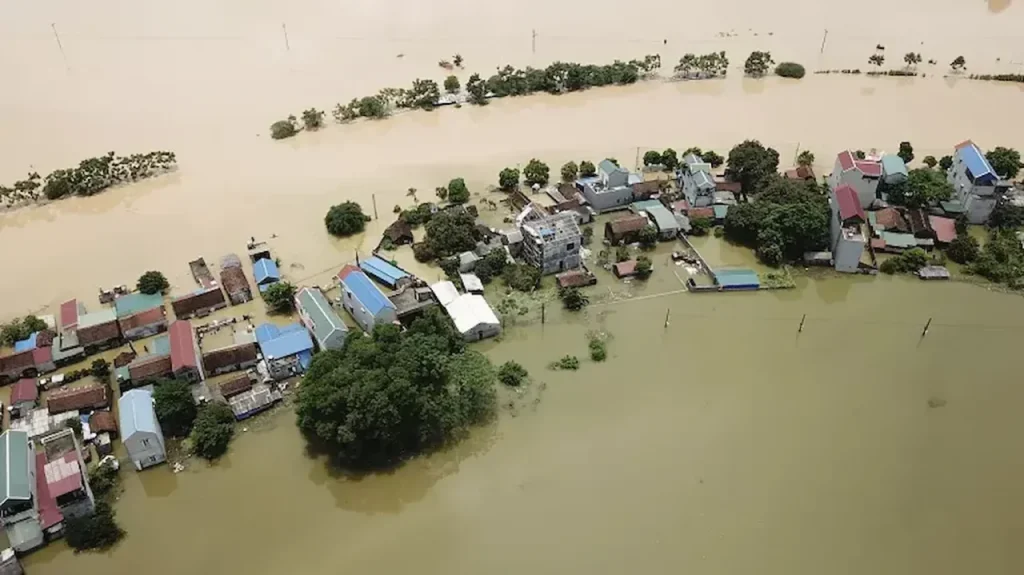
If your Florida property is in a FEMA flood zone Zone A, AE, V, VE, or X (shaded), your site plan must include the flood zone designation. Many Florida counties will automatically reject a plan that doesn’t label the flood zone.
How to find your flood zone: go to msc.fema.gov and enter your property address. The FIRM (Flood Insurance Rate Map) shows your zone designation.
If you’re in Zone AE (the most common special flood hazard zone in Florida), you also need to note the Base Flood Elevation on the plan, the elevation above which your lowest floor must be built.
The Impervious Surface Calculation
Many Florida counties require a calculation showing total impervious surface coverage, the percentage of your lot covered by hard surfaces (roof, driveway, patio, pool deck, etc.). This is to protect Florida’s water resources and stormwater management systems.
The calculation is simple: Total impervious surface area ÷ Total lot area = Impervious surface percentage
Most Florida residential zones cap this at 40–60%. If you’re adding a pool and deck that would push you over the limit, you either need to reduce the deck size, use permeable pavers, or apply for a variance.
Format and Submission Requirements
Beyond content, Florida counties have format requirements:
- File type: Most counties now require PDF. Some older systems accept DWG. A few smaller counties still accept paper.
- File size limits: Many county portals have a file size limit (often 25 MB or 50 MB). Large files need to be compressed.
- Resolution: Plans must be legible when printed at standard sizes (usually 11″×17″ or 24″×36″)
- Title block: Most counties specify what information must appear in the title block: preparer name, owner name, address, scale, date, and parcel ID.
Missing title block details are one of the most common violations of Florida Site Plan Requirements.
If you’ve already been rejected and need to identify exactly what’s wrong with your current plan, use our Permit Rejection Fix Tool.
Every submission must fully comply with Florida Site Plan Requirements to avoid rejection or revision requests.
Get a Site Plan That Meets Florida Requirements
We create permit-ready site plans across all 67 Florida counties, tailored to meet the specific requirements of each local building department.
Standard residential site plans start at $79 with fast 12–24-hour delivery.
Ready to get started? Request your site plan here or contact us if you need help choosing the right package for your project.