
I’m going to walk you through how to get a site plan for a Florida permit. You’ve got three options for getting a site plan for a Florida permit:
- Draw it yourself
- Hire a local drafter or architect
- Use a specialized permit site plan service (like us)
I’m going to walk through all three options, when each makes sense, what they cost, and the trade-offs. I’ll be direct because I think you deserve to make an informed decision.
Option 1: Draw It Yourself
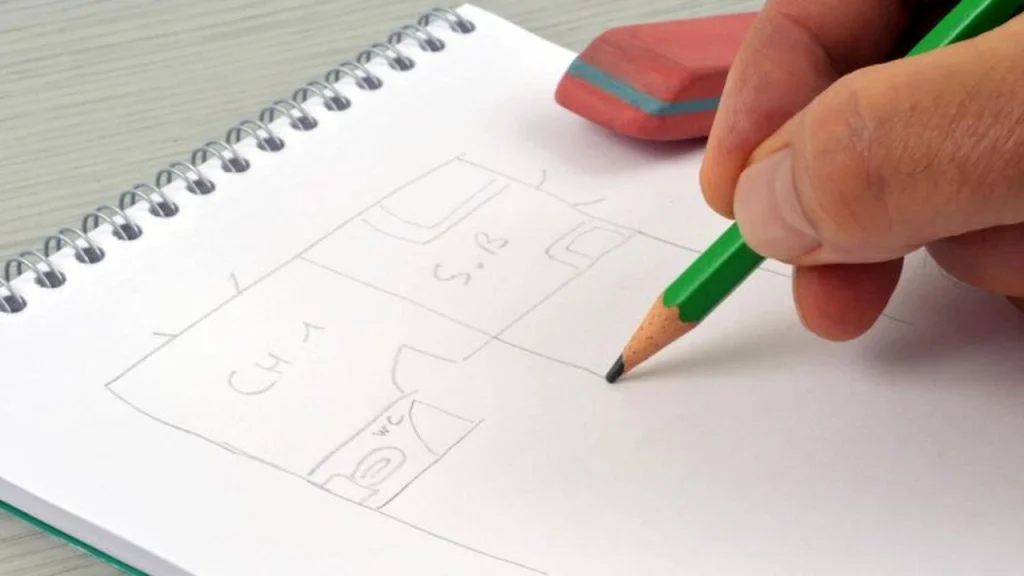
Can you legally draw your own site plan for a Florida permit? Yes. Florida doesn’t require a licensed professional to prepare a residential site plan. The building department needs an accurate, complete drawing that meets their submission requirements.
When DIY might work:
- Your lot is a simple rectangle with one existing structure
- Your project is simple (a small shed or fence)
- You have drafting experience or can use CAD/drawing software
- You have time to research your county’s requirements thoroughly
The hidden time cost: I’ll just draw it in Google Docs. I hear this every week. Here’s what it actually involves:
- Pull your property’s parcel data and lot dimensions from the county property appraiser site
- Find and download the GIS parcel boundary file for your specific lot
- Look up your zoning district and find the setback requirements
- Check the FEMA flood map for your flood zone designation
- Calculate your impervious surface (existing + proposed)
- Draw the plan to scale (not in a word processor, but in something that produces an accurate scale drawing)
- Include all required elements with correct labels and formatting
- Format per your specific county’s submission requirements
- Submit through your county’s specific online portal
- Wait for review, respond to any corrections
For someone who does this regularly, this process takes 2–3 hours. For someone doing it for the first time, with no drawing software experience, it commonly takes 6–10 hours and still results in a plan that gets rejected at least once.
The real cost of one rejection:
- Your permit gets returned
- You fix the issue (another hour or two)
- You resubmit
- Review timeline resets
- Depending on your county’s review speed, this adds 1–4 weeks to your project.
My honest recommendation: DIY the site plan only if you have drafting experience and time. For most homeowners, paying $79 to avoid the research burden and rejection risk is a straightforward decision.
Option 2: Hire a Local Drafter or Architect

For projects that don’t require a PE stamp, you can hire a local drafting service or architectural firm to prepare your site plan.
Typical cost: $150–$500,+ depending on complexity and location.
Advantages:
- Local knowledge (if they regularly work in your county)
- In-person communication
- May be able to handle the full permit package if you need more than a site plan
Disadvantages:
- More expensive than specialized services for simple site plans
- Turnaround is typically 3–7 days
- Not all local drafters are familiar with your specific building department’s format requirements.
- You’re paying for overhead (office, insurance, staff) not directly related to your site .plan
When this makes sense: For complex projects, historic districts, or situations that require in-person consultation, a local architect or drafter can add value. For a standard pool or shed permit, it’s usually overkill.
Option 3: Specialized Permit Site Plan Service

This is what we do at Site Plans FL. We focus exclusively on permit site plans, not architectural design, not structural engineering (for standard plans), not construction management. Just site plans for permits.
What you get:
- County-specific research done before we draw anything
- Professionally prepared CAD drawings
- All required elements are included
- Formatted for your specific county’s submission system
- 12–24-hour delivery
- Free revisions if the building department requests changes
Cost: $79 for a standard residential site plan. $499 for PE-stamped plans.
When this makes sense: For the vast majority of Florida homeowner and contractor permit applications. Fast, affordable, and we handle all the research and formatting.
What You Need to Provide
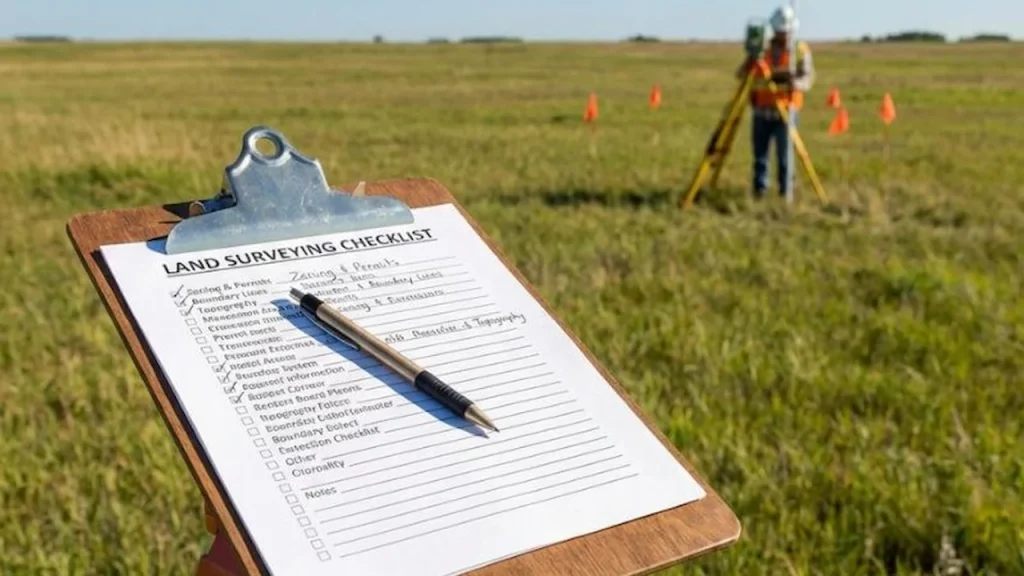
To order a Florida permit site plan from us, you need to give us:
Required:
- Property address (full street address with city, county, and zip)
- Project type (pool, deck, shed, addition, fence, etc.)
- Project dimensions (size of proposed structure)
Helpful (not required but improves accuracy):
- Your property survey (if you have one)
- HOA approval letter (if your HOA has approved the project)
- Any preliminary design drawings from your contractor
- Specific deadline or desired rush delivery
You don’t need to provide:
- Your parcel ID (we look it up)
- Your setback requirements (we research them)
- Your flood zone designation (we check it)
- Site plan formatting requirements for your county (we know them)
This is the point of the service: we handle the research so you can focus on your project.
Step-by-Step: The Site Plan Submission Process. Here’s
Here’s exactly what happens from ordering to permit approval:
Day 1 — You order: Submit your project details through our contact form or via WhatsApp. Include your address, project type, and dimensions.
Hours 1–12 — We work: We research your parcel data, zoning, setback requirements, and flood zone. We draft your site plan in CAD. We review it against your county’s submission requirements.
Within 24 hours — Delivery: You receive a PDF of your permit-ready site plan via email.
You submit to your building department: Use your county’s online permit portal to submit the plan along with your permit application. For most Florida counties, the process is:
- Create an account on the county’s permit portal
- Start a new permit application
- Enter project information (address, project type, contractor, if applicable)
- Upload documents (including your site plan)
- Pay permit fees (set by the county varies widely)
- Submit
Building department reviews: Timeline varies by county from same-day in some smaller counties to 4–6 weeks in Miami-Dade. Most mid-size counties take 5–15 business days.
If corrections are required, forward the correction notice to us. We update the plan and send you a revised PDF, typically within 12 hours. This is included in the original price, with no additional charge.
Permit issued: Once the site plan and any other required documents are approved, the permit is issued. You can start construction.
The Most Reliable Way to Avoid Rejection
After reviewing thousands of Florida permit submissions, here’s what I know about avoiding rejection:
1. Research your county before you design. Before your contractor even gives you a price, know your setback requirements and impervious surface limits. Designing a pool and then finding out it doesn’t meet setback requirements is a waste of everyone’s time.
2. Show everything on the plan: Every existing structure, driveway, easement, and utility. Building departments reject plans for missing elements more often than for wrong measurements.
3. Include the impervious surface calculation. Even if your code doesn’t explicitly require it, including it shows that you’ve done the analysis and demonstrates compliance.
4. Label the flood zone you’re in a FEMA flood zone (Zone A, AE, V, VE, or even X), laDon’t. Don’t assume the reviewer knows.
5. Use the right scale and form. Check Check county ‘sic requirements. Using a different scale than required or submitting in the wrong file format causes automatic rejection before the plan is even reviewed on its merits. Don’t
6. Don’t try to hide violations. If your proposed project has a setback, idon’t don’t just draw it differently to make it look compliant. Building departments have access to the same GIS data we do. Discrepancies get caught. Fix the design issue first.
If you’ve already been rejected, the Permit Rejection Fix Tool will help you identify and fix the specific issues.
Understand Florida’s Different Permit Types
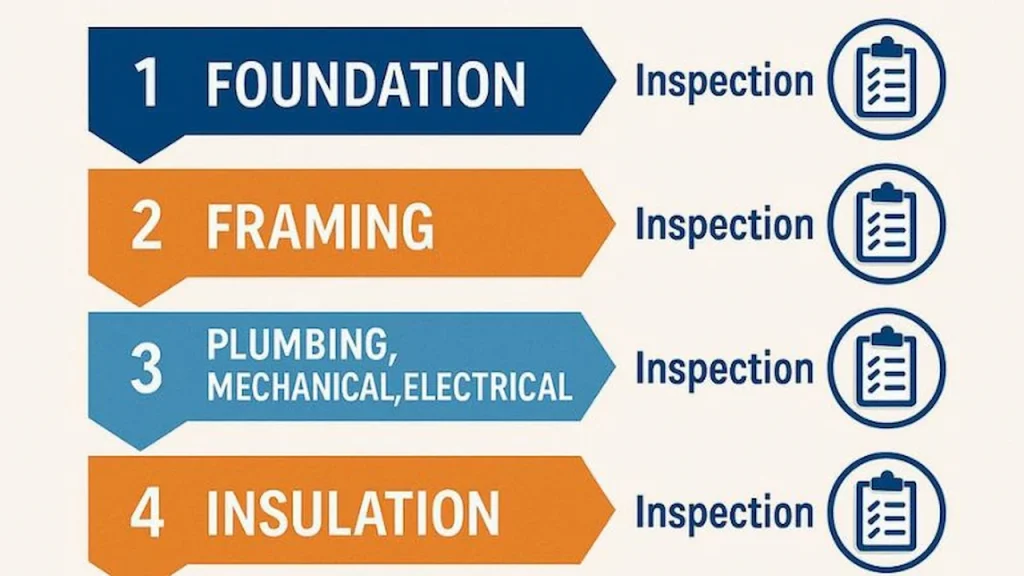
Not all permits require the same level of site plan detail.
Express/over-the-counter permits: Some simple projects like replacing a fence along the same line, replacing a roof with the same materials, or minor mechanical/electrical work can qualify for express permits that require minimal or no site plan. Check with your building department.
Standard building permits: Most construction projects, pools, additions, and new structures. Require a complete site plan.
Development permits: For larger commercial or multi-family projects. Require significantly more detail than residential site plans, often including stormwater management plans, traffic studies, and utility plans.
Environmental permits: In addition to building permits, some Florida projects require DEP permits (coastal construction, wetland impacts), WMD permits (water management district, for larger drainage projects), and FDOT permits (for driveway connections to state roads). These are separate from the building permit process.
Case Study: Contractor Workflow Optimization
A pool contractor based in Southwest Florida was averaging 6–8 days from contract signing to permit submission. The bottleneck was site plan preparation; he was using an in-house drafter who was good but slow.
We worked out a workflow where he emails us a list of new jobs each Monday morning. By Tuesday afternoon, he will have site plans ready for all of them. His permit submission turnaround dropped to 2 days.
With an average of 8 pool jobs per month and each permit now submitted, he says faster: he’s getting pools started an average of 4 days sooner, which means he can commit to tighter completion dates and more referrals.
The cost difference from his old drafter: about $15 per job. That $15 is buying him 4 extra days per project and a less stressed in-house team.
FAQs: Getting a Florida Permit Site Plan
Can a contractor draw their own site plan? Yes. A licensed contractor can prepare a site plan for a residential permit. The question is whether it’s the best use of their time and whether they have the drawing skills and county-specific knowledge to do it correctly.
Does Florida require an architect to draw a site plan? No, not for most residential permits. Architectural drawings (floor plans and elevations) differ from site plans. Architects are required for certain commercial projects and new residential construction above a certain size, but residential site plans don’t require a licensed architect or engineer in most cases.
Can I reuse a site plan from a previous permit? You can use it as a reference, but you typically need to update it to reflect the current conditions (including any work completed under the previous permit). Submitted plans to the county’s records.
What if my property has an odd shape? Irregular lots are common in Florida, including pie-shaped lots on cul-de-sacs, flag lots, and oddly shaped waterfront lots. We handle these regularly. Just give us the address, and we’ll pull the exact parcel data.
Do I need a site plan for a permit expediter? Permit expediters manage the permit application process on behalf of homeowners or contractors. They still need a site to submit; they can’t expedite a permit application without one. We work directly with many Florida permit expediters.
Get Your Site Plan Now
Use our Permit Drawing Package Finder to confirm what you need.
Then contact us or WhatsApp us with your project details.
Standard residential: $79 delivered in 12–24 hours. PE-stamped plans: $499 delivered in 2–5 business days